
Kaz Warrior 3 - Shinobi Legend
TOH GamesAdventure
4.8288.00 Reviews
- Version
- 1.90.1
- Installs
- 5.00M
- Age Rating
- Everyone 10+
Screenshots
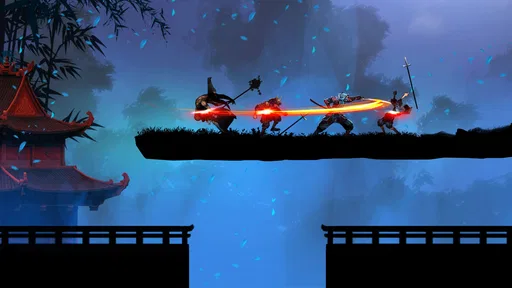
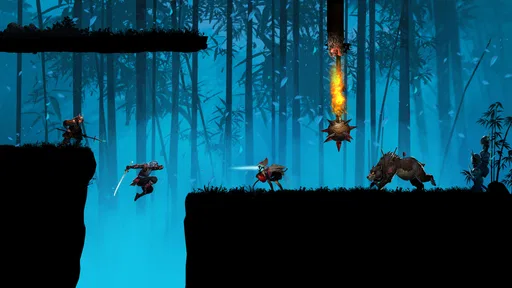
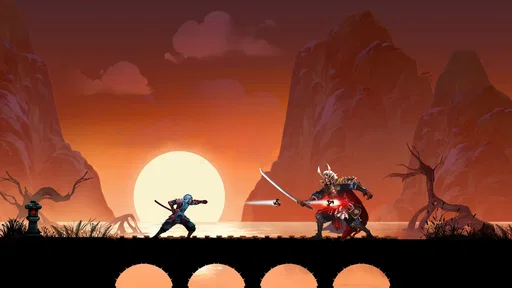
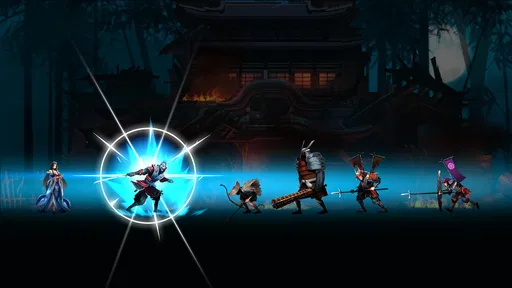
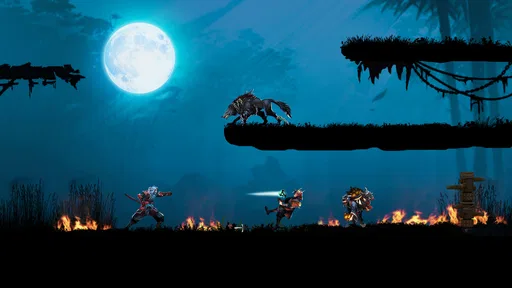
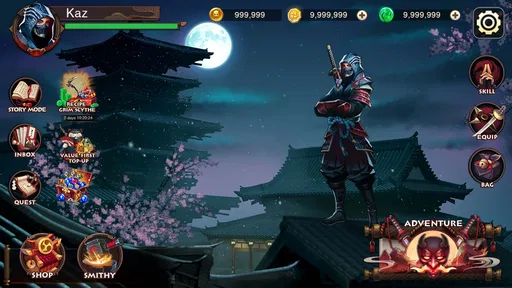
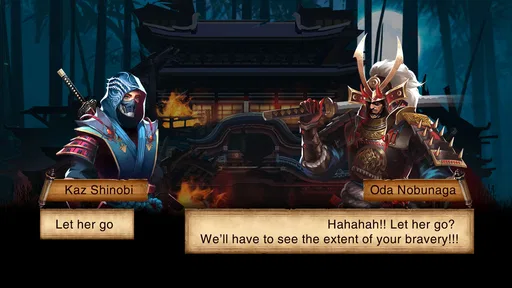
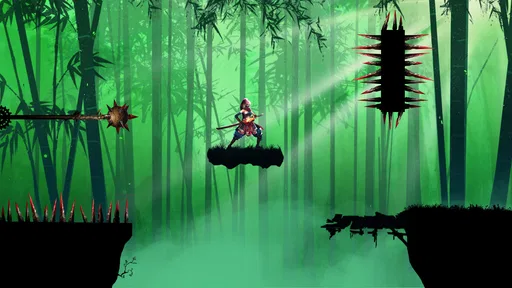
Our Review of Kaz Warrior 3 - Shinobi Legend
 Analysis by Appyee
My first impression of Kaz Warrior 3 - Shinobi Legend was that it wants to be played in short, focused bursts rather than treated like a huge role-playing commitment. It is a free adventure game from TOH Games, built around the fantasy of becoming a powerful ninja and protecting people in danger. That premise is familiar, but the appeal comes from how directly the game presents it: you step into the warrior role, learn its rhythm, and keep moving through a world shaped by danger, movement, and combat.
I found the presentation easy to understand from the start. The setting communicates “shinobi adventure” quickly, while the action gives the experience its forward pull. This matters because games in this category can become cluttered with menus, excessive explanations, or systems that distract from the central fantasy. Here, the strongest moments are the ones where the visual style and the playable objective point in the same direction: move like a ninja, face threats, and help the people caught in the conflict.
The game is rated for Everyone 10+, which makes it a reasonable choice for younger players who enjoy animated adventure combat, although parents should still remember that the experience is built around fighting. It is available at no purchase cost, with optional in-app items priced from $0.99 to $99.99 per item. I would approach it as a free game that can be sampled comfortably, while keeping spending controls in place if a child will be playing on the device.
How the shinobi world builds its mood
The art direction does much of the work in establishing the game’s identity. Rather than relying on a realistic presentation, it leans into a stylized warrior world where the character’s role is immediately readable. The ninja theme is not just a label placed over an unrelated action game; it frames how I interpret movement, danger, and the stakes of each encounter. Even when the mechanics are straightforward, the setting gives them a clear purpose.
That clarity is useful for new players. I do not need to understand a complicated fictional history before appreciating what is happening. The visual language tells me who I am, what kind of danger I am facing, and why continuing forward matters. The result is an accessible adventure tone rather than a dense fantasy universe that expects extensive attention before the first meaningful action.
There is also a practical advantage to this kind of focused setting. When a game presents itself as a ninja journey, I can judge its choices against that promise. Quick reactions, controlled movement, and a sense of personal responsibility fit naturally. If the game were filled with unrelated distractions, the shinobi idea would lose force. Its better moments come from keeping the visual identity close to the playable goal.
I especially like how the atmosphere supports the rescue-oriented premise. The warrior is not simply fighting for an abstract score; the framing gives the action a human reason. That makes ordinary progress feel more purposeful. A difficult section becomes a test of whether I can protect the people the story places at risk, not merely another obstacle between menus.
Still, players looking for a large, exploratory adventure should set expectations carefully. The game’s identity is concentrated around the ninja fantasy and its action rather than around the kind of broad world simulation found in more expansive console-style adventures. I see it as a directed heroic journey, not a replacement for a massive open-world game.
Visual identity without unnecessary noise
The visual style works best when it keeps the warrior and the threat easy to read. In an action game, that is more important than decorative detail. If every background element competed for attention, quick decisions would become tiring. The stylized approach gives the experience a cleaner personality and helps the setting feel like a playable space instead of a static illustration.
For me, this creates a useful balance: the world has enough character to make the adventure memorable, but it does not demand that I stop constantly to study it. That supports the game’s pick-up-and-play quality. I can return after a break and quickly reconnect with the role of the ninja, the direction of the journey, and the immediate danger.
The trade-off is that players who value highly detailed environments or realistic animation may find the presentation less satisfying than a premium adventure designed around visual spectacle. Kaz Warrior 3 is more convincing as a coherent stylized experience than as a technical showcase. I consider that a fair choice, provided you come for the mood and the action rather than expecting cinematic realism.
Sound, pacing, and the feeling of a ninja journey
Sound is most effective here when it reinforces the action’s timing. A ninja game needs a sense of anticipation before an encounter and release after it. The audio atmosphere helps shape that rise and fall, giving movement and combat a little more weight than silent taps and swipes would provide. I do not experience the game as a collection of disconnected fights; the sound helps me read it as a continuing journey.
The pacing benefits from this relationship between presentation and action. When visual cues, sound, and objectives all point toward the next threat, progress feels natural. I am less likely to wonder what the game wants from me because the atmosphere keeps reinforcing the immediate purpose. That is a modest design strength, but an important one for a mobile adventure that may be played in brief sessions.
My preferred way to play is during a short break when I want something more active than a puzzle but less demanding than a long story game. I can settle into the ninja mood quickly, play through a focused stretch, and stop without feeling that I have abandoned a complicated management system. The game suits that rhythm better than a title that requires a long uninterrupted session before anything meaningful happens.
At the same time, the direct pacing may not satisfy someone who wants a slow, atmospheric stealth experience. The ninja theme could suggest patience, hiding, and careful observation, while the actual appeal is more immediate and action-oriented. If your ideal shinobi game is built around deep infiltration and multiple quiet solutions, this is probably not the closest match. I would choose a dedicated stealth game instead.
Why short sessions work well
A useful habit is to treat each play session as a small training run. I focus on learning how the character responds, watching the timing of threats, and avoiding the temptation to rush simply because the hero is supposed to be powerful. This approach makes the adventure feel less like button pressing and more like developing control over a warrior.
That is one of the less obvious strengths of the presentation: the mood encourages concentration without making the game feel solemn. The setting says “legendary ninja,” but the practical lesson is more ordinary. Patience, observation, and knowing when not to overextend are often more valuable than trying to force every encounter quickly.
For a commuter or a player with only a few spare moments, that makes the game approachable. I would not recommend beginning a demanding section while distracted, though. Even a compact action game can become frustrating if I play while multitasking, especially when the atmosphere has encouraged me to move quickly without fully reading the situation.
Where the mechanics fit the atmosphere
The mechanics feel most successful when they support the fantasy instead of competing with it. The central loop is easy to understand: I take control of the warrior, face opposition, and continue the mission to save people. That direct structure gives the game a clear center. I am not forced to pretend that collecting unrelated objects or managing an elaborate economy is the main reason I became a ninja.
This simplicity is a benefit for casual players and younger audiences. Someone who has not played many adventure games can understand the basic motivation quickly. The game also works for experienced mobile players who want an uncomplicated action title between larger releases. It does not require the same mental investment as a sprawling role-playing game, and that makes it easier to recommend as a convenient secondary game.
However, simplicity can also expose repetition. Once the initial excitement of the setting settles, the quality of the experience depends on whether the encounters continue to make me think about timing and positioning. I found that the best way to keep the action engaging was to play deliberately rather than treating every section as a race. If I reduce the game to frantic input, its atmosphere becomes less meaningful.
I also think the free-to-play structure deserves attention before anyone commits heavily. The game costs nothing to start, but optional purchases range from $0.99 to $99.99 per item. That broad range does not automatically make the experience unfair, yet it does mean I would not treat every offer as part of the core adventure. My advice is simple: enjoy the base game first, decide whether the combat and mood genuinely suit you, and only then consider spending.
That approach is particularly important for families. The age guidance of Everyone 10+ makes the game accessible to a broad audience, but accessibility is not the same as suitability for unrestricted purchases. I would use device-level purchase protections and explain clearly that the free download can contain optional paid choices. That keeps the decision with the player rather than allowing an impulsive tap to shape the experience.
Practical ways to get more from the combat
My first tip is to use the visual style as a timing aid. Instead of watching only for a health change or a reward, I pay attention to the character’s position and the way danger is framed on screen. Stylized art is useful when I let it simplify the situation. The clearer the threat looks, the less reason I have to react blindly.
My second tip is to separate progress from perfection. If a section goes badly, I treat it as information about the rhythm rather than immediately assuming that I need a purchase or a stronger shortcut. This is where the game’s adventure mood can work in its favor: the warrior fantasy feels more rewarding when improvement comes from better decisions, not just from pushing forward at any cost.
A third useful trade-off involves session length. Longer play can help me build momentum, but short sessions make it easier to notice mistakes without becoming impatient. I prefer stopping after a difficult stretch and returning later with a calmer approach. That is especially helpful for players who are tempted to rush because the game presents the hero as a legendary fighter.
These habits will not transform the game into a deep technical combat simulator, and that is not what I think it is trying to be. They simply help the mechanics and the atmosphere meet in the middle. The more thoughtfully I play, the more convincing the shinobi role becomes.
Who should play it, and who should look elsewhere
I would recommend this adventure to players who enjoy stylized ninja settings, direct objectives, and mobile sessions that can begin quickly. It is a good fit for someone who wants a recognizable heroic fantasy without learning a large collection of systems first. It also suits families seeking an accessible action game for older children, as long as optional spending is managed responsibly.
The game has a strong practical use case for people who already enjoy animated combat adventures but do not want a huge download experience to dominate their free time. I can imagine playing it while waiting for an appointment, during a lunch break, or at home when I want a focused action session rather than a long narrative commitment.
I would skip it if your priority is deep stealth, realistic swordplay, complex character building, or an enormous world filled with optional activities. Those expectations point toward different kinds of games. A dedicated stealth title will usually offer more freedom in how to approach a guarded area, while a large role-playing adventure will provide more progression layers and exploration. Kaz Warrior 3 is better understood on its own terms: a focused, stylized ninja adventure with a strong mood and a straightforward playable purpose.
It may also be a poor choice if you dislike free-to-play design on principle. Even when I ignore optional purchases, their presence changes how I evaluate the game. Players who want a single upfront payment and a completely closed progression model may feel more comfortable with a premium alternative. The free entry is convenient, but convenience is not the same as a frictionless experience.
On the other hand, the game’s popularity suggests that its central idea connects with a substantial mobile audience. It has passed five million installs and holds a 4.8 average from around twenty-eight thousand ratings. I do not see those figures as proof that every player will enjoy it, but they do indicate that the basic combination of ninja adventure and accessible action has found a receptive audience.
My atmosphere verdict
After spending time with it, I see Kaz Warrior 3 - Shinobi Legend as a game whose greatest achievement is consistency. Its art direction establishes the shinobi identity, its sound supports the sense of motion, and its pacing makes the adventure easy to enter in short sessions. The mechanics are not buried under unnecessary complexity, so the central fantasy remains visible: I am a warrior moving through danger to protect people.
That consistency also defines the limits. The experience is unlikely to satisfy players searching for a highly elaborate stealth system, a vast open world, or a premium-style campaign with no optional purchase layer. Its action can feel less compelling if I rush through it without paying attention to timing and presentation. The game is strongest when I accept its focused scope rather than asking it to provide every kind of adventure at once.
The current version is 1.90.1, and the game runs on devices using Android 7.1 or later. Those requirements make it approachable for many Android players, though I would still check that the device has enough free space and that the control experience feels comfortable before settling in for longer sessions. A phone with a responsive screen will make the action easier to appreciate than a device that already struggles with touch input.
TOH Games has created a free adventure that knows the value of a clear mood. I would recommend trying it if the idea of a stylized ninja journey appeals to you and you are comfortable treating in-app purchases as optional rather than necessary. The best reason to play is not the promise of becoming instantly unstoppable, but the satisfying connection between the warrior’s look, the world’s danger, and the rhythm of taking control.
My final recommendation is favorable, with sensible expectations. Start without spending, play in short attentive sessions, and judge the game by how much its atmosphere improves the action for you. If that combination clicks, this can be an enjoyable pocket adventure. If you need deep stealth or a larger, more complex alternative, you will probably be happier elsewhere. For players who want a readable, energetic ninja game with a coherent visual and audio identity, it is worth giving a fair trial.
Verdict
Strengths of Kaz Warrior 3 - Shinobi Legend
- Fast-paced ninja combat with responsive controls
- Varied missions keep the campaign from feeling repetitive
- Stylish shinobi visuals and atmospheric environments
- Upgrade system gives progression a clear sense of purpose
- Playable offline, making it convenient for travel
Limitations of Kaz Warrior 3 - Shinobi Legend
- Some stages rely heavily on repeated enemy encounters
- Difficulty can spike unexpectedly in later missions
- Upgrade resources may require considerable grinding
- On-screen controls can feel cramped on smaller phones
- Ads may interrupt the experience between missions
Other Releases by TOH Games
View All
Ninja warrior: legend of adven
Adventure4.6

Super Machino: adventure game
Adventure4.3
Similar Picks in This Category
View All
Roblox
Roblox Corporation4.2

Pokémon GO
Niantic, Inc.3.5
Ninja warrior: legend of adven
TOH Games4.6

Ninja Arashi
Black Panther4.6

Eyes - The Horror Game
Fearless Games sp. j.4.5

Critical Action:Gun Strike Ops
FPS Shooter & Action Game4.3
Frequently Asked Questions
What is Kaz Warrior 3 - Shinobi Legend about?
Kaz Warrior 3 - Shinobi Legend is an action-focused ninja game built around fast combat, platforming, enemy encounters, and stage progression. Players control a shinobi-style warrior, move through dangerous environments, defeat opponents, and use attacks or abilities to overcome increasingly difficult challenges. The game is aimed at users who enjoy straightforward arcade action with a martial-arts and ninja theme.
Is Kaz Warrior 3 - Shinobi Legend free to download and play?
The game can generally be downloaded without an upfront purchase, but availability, advertising, and optional in-game purchases may depend on the version distributed through the Android or iOS store. Before installing, check the store listing for current pricing details, supported devices, and information about ads or additional purchases. Some features may also require an internet connection or extra downloads.
Does Kaz Warrior 3 - Shinobi Legend require an internet connection?
An internet connection may be needed for the initial download, updates, advertisements, analytics, or purchase verification. However, core gameplay may work offline if the installed version allows access to its stages without connecting to a server. Because requirements can change between updates and platforms, it is best to test the game in airplane mode after installation if offline play is important to you.
Is the game suitable for children and casual players?
Kaz Warrior 3 - Shinobi Legend is relatively accessible for casual players because its main concept is easy to understand: move through levels, fight enemies, and progress through the adventure. Nevertheless, the combat and repeated action may become more challenging as stages advance. Parents should review the store rating, violence descriptions, advertising, and possible in-app purchases before allowing younger children to play.
What should I check before downloading Kaz Warrior 3 - Shinobi Legend?
Before downloading, verify that your Android or iOS device meets the listed requirements and has enough free storage for the application and future updates. Also review the latest user ratings, privacy information, permissions, advertising policy, and whether the game supports your device model. Downloading only from the official Google Play Store or Apple App Store is recommended to reduce security risks.
Play our best games!


